In a 12 sqm HDB living room, a Scandinavian coffee table isn’t just furniture — it’s the centrepiece of hygge. Light wood tones like oak or ash dominate the aesthetic, their pale hues bouncing light around compact spaces. Avoid dark finishes; they absorb light and make rooms feel smaller.
Compact designs are key — oversized tables swallow space in HDB flats. Look for slim profiles, often around 80cm wide, with clean lines that don’t overwhelm. Many homeowners opt for round or oval shapes; they’re softer on shins in tight quarters and create better flow.
Storage is non-negotiable in Singapore’s humidity. Coffee tables with drawers or shelves keep remotes, magazines, and board games dry and organised. Some models lift to reveal hidden compartments — perfect for stashing extra throws or toys.
Price typically ranges from $300 to $800 at stores like Castlery or Commune. IKEA’s budget-friendly options, often under $200, are popular but may lack the durability of solid wood. Avoid laminate finishes; they peel in humid weather. Rubberwood, common in mid-range pieces, holds up better.
Functionality often trumps pure aesthetics in HDB flats. A coffee table that doubles as a dining surface or work desk is ideal for multitasking spaces. Some designs include built-in power outlets — a practical touch in tech-heavy homes.
Singapore’s humidity doesn’t just frizz hair — it warps untreated pine coffee tables within months. In many HDB flats, the first sign is a faint white bloom on the surface, followed by uneven edges that catch on sleeves or knees. That’s why treated wood, like oak or ash with a moisture-resistant sealant, holds up better; it’s less prone to swelling or discolouration, even in rooms without aircon running 24/7. Coated metal, though less common in Scandinavian designs, is another practical choice — it won’t rust if the finish is durable, and it pairs well with light wood accents for balance.
Colour matters just as much as material. Humidity stains, those faint greyish patches that appear on untreated surfaces, are harder to spot on light-toned finishes like white oak or ash. Darker woods, while striking, tend to show every mark — a risky choice for homes in Bedok or Tampines, where humidity often hovers above 80%. Sage green or muted blue finishes, staples of Nordic palettes, not only complement the hygge vibe but also disguise minor imperfections better than stark whites or blacks.
Some buyers opt for laminate or sintered stone tops, which mimic wood grain without the maintenance. These materials are forgiving in Singapore’s climate, though they lack the warmth of real wood. If you’re set on natural timber, avoid cheaper options like untreated pine or rubberwood — they might look good in the showroom, but they’ll warp faster than you can say “monsoon season.” Instead, invest in pieces treated for moisture resistance; they’ll last longer, even in a humid corner of your Eunos flat.
Singaporean buyers often eyeball dimensions, then struggle to fit an 80cm-deep dining table into a 2.4m-wide HDB kitchen. Tape measures cost $5 at Daiso — use them. Account for walkways: you'll need 90cm clearance behind chairs, 60cm between table and wall. That "perfect" extendable oak table from FortyTwo becomes a hallway blocker when fully opened. Condo showrooms trick the eye with low ceilings and missing walls.
Instagrammable rattan coffee tables yellow in our humidity within eighteen months. Stick to oiled oak or lacquered ash for longevity — materials proven in Nordic winters and equatorial monsoons alike. That viral "terrazzo-effect" MDF top chips under wine glasses, revealing particleboard guts. Timeless doesn't mean boring: try a muted blue linoleum finish from IKEA's NORDMÄRKE line instead.
Fifth-floor walk-ups and condo service lifts reject solid teak slabs over 120kg. Modern plywood frames with aluminium legs support 200kg at half the heft. Delivery crews charge extra for staircases beyond the third floor — ask Megafurniture's team about their pneumatic dollies. That "industrial chic" cast iron base? It'll crack your mosaic tiles during monsoon season shifts.
Fold-out table leaves jam when humidity swells the joints by 3mm — a Singapore constant. Run your hand along drawer runners; gritty movement means sawdust buildup within months. Avoid "soft-close" hinges with plastic gears — they melt. Commune's brass runners work silently for a decade but need biannual beeswax rubs.
Open shelving looks airy in Scandinavian showrooms but gathers dust above East Coast Park's salt air. Opt for lidded oak boxes or smoked glass cabinets instead. That "minimalist" side table with no drawers? Your remotes and charging cables will colonise its surface by week two. Deep drawers beat shallow shelves for storing folded throws during our endless summer.
A Joo Seng showroom visitor last month spent 20 minutes testing the sturdiness of an oak coffee table — pressing down, shaking it, even sitting on it. That’s the kind of hands-on scrutiny you can’t replicate online. Humidity-controlled displays let you see how Scandinavian woods like ash and oak hold up in Singapore’s tropical climate — a detail that matters when you’re furnishing a 12 sqm HDB living room.
Assembly is another factor worth testing firsthand. Some Scandinavian designs use hidden screws and dowels that require precision; others opt for tool-free setups that make sense for smaller flats. You’ll also get clarity on warranty terms — crucial for pieces that’ll see daily use in a compact home.
Showroom visits aren’t just about checking durability. They’re a chance to visualise how a coffee table fits into your space. Does it leave enough room for a sofa? Can it double as a footrest? These are questions that only make sense when you’re standing next to the piece, tape measure in hand.
Most buyers don’t realise how much finishes vary until they’ve seen them side by side. A matte oak table might look rustic in photos, but in person, it can feel too casual next to a sleek ash piece. Showrooms let you compare textures, finishes, and proportions against your existing furniture — something Pinterest boards can’t quite capture.
For those drawn to the hygge aesthetic, seeing furniture in person adds another layer. The warmth of oak, the clean lines of ash — these details come alive under showroom lighting. It’s a reminder that Scandinavian design isn’t just about looks; it’s about how a piece feels in your space.
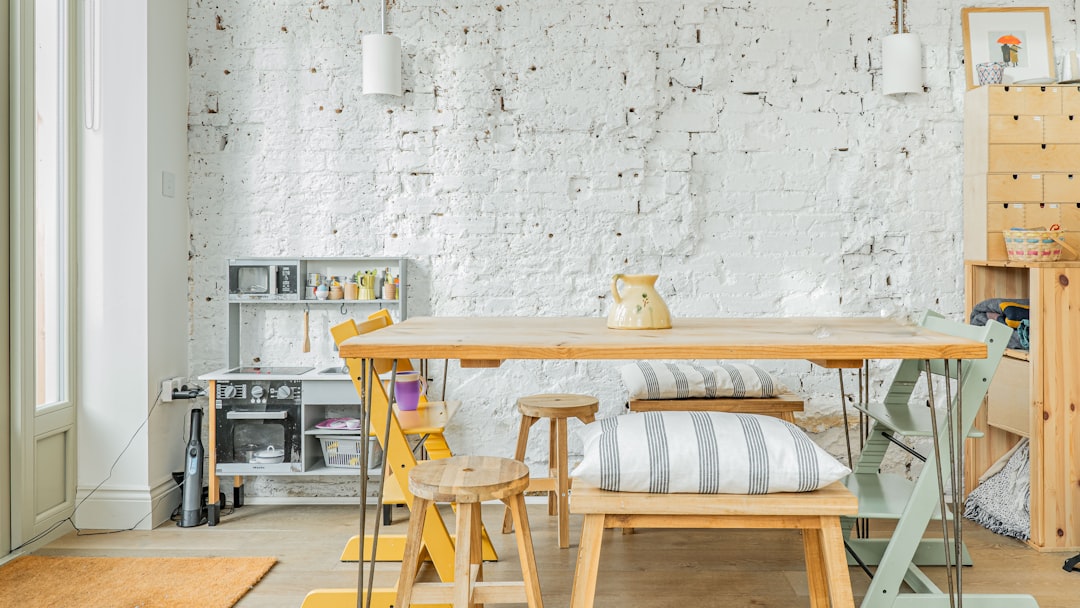
Most HDB flats in Singapore come with tight delivery windows — typically six hours — which can clash with work schedules or childcare routines. Scandinavian coffee tables, often shipped flat-packed, require assembly that’s best done on-site; same-day services can save you the hassle of storing boxes in a cramped lift lobby. Humidity-resistant finishes like polyurethane or lacquer are non-negotiable here — untreated wood can warp within months in Singapore’s tropical climate, especially in neighbourhoods like Tampines or Bedok where humidity hovers around 80%.
Warranty coverage varies widely between brands — some cover only structural defects, while others include wear on finishes. For light wood tones like oak or ash, scratches and watermarks are common complaints; a 5-year warranty on finishes ensures you’re covered for daily wear from coffee spills or toddler art projects. Delivery timelines can stretch during peak periods like year-end sales, so confirm lead times early — especially if you’re coordinating with other furniture deliveries.
Assembly quality matters more than you’d think. Poorly aligned joints or uneven legs can turn a sleek coffee table into a wobbly eyeshow — and fixing it later often means disassembling the entire piece. Professional assemblers typically charge $50 to $100, but it’s worth the cost for peace of mind. If you’re opting for DIY, check that the table comes with clear instructions and all necessary tools — missing screws or ambiguous diagrams can turn a Saturday afternoon into a headache.
Opt for clean lines and light wood tones to create a calming focal point. Pair with neutral-toned decor like ceramic vases or woven baskets for a balanced look. Keep clutter to a minimum to enhance the sense of tranquility.
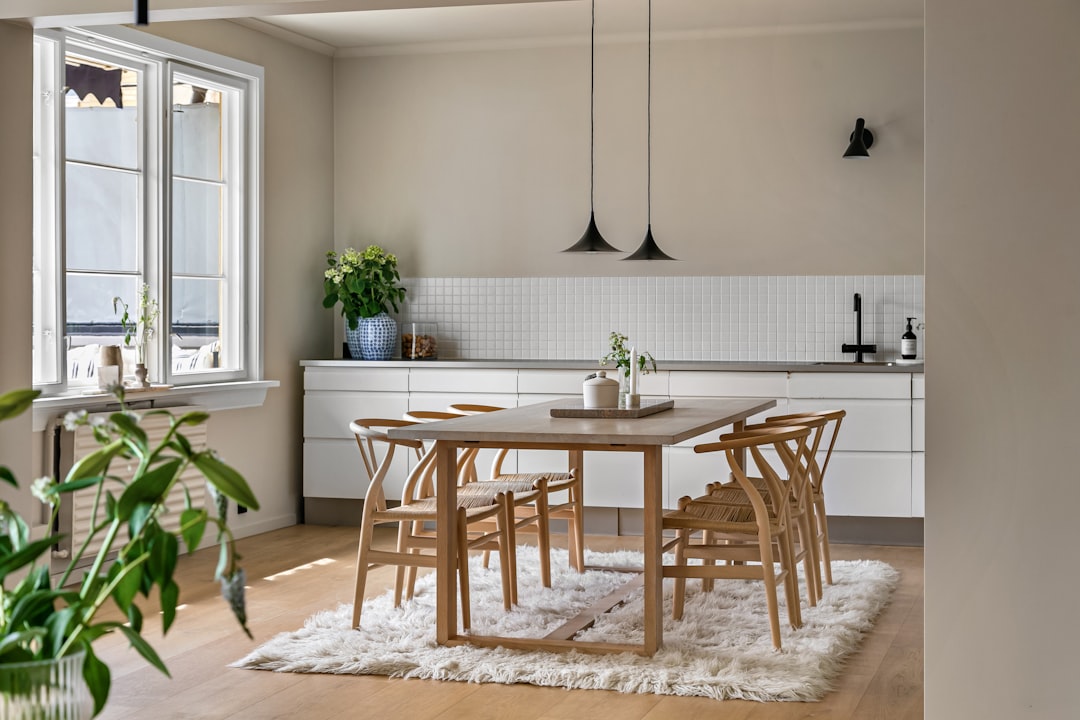
Layer soft textiles like sheepskin rugs or linen throws near your coffee table. Incorporate tactile elements such as wooden trays or knitted coasters to evoke warmth. These touches invite relaxation and comfort in your living space.
Choose coffee tables with built-in storage to maintain a tidy, serene environment. Use open shelving or drawers to display seasonal decor or essential items. This approach blends practicality with the Scandinavian aesthetic of simplicity and order.
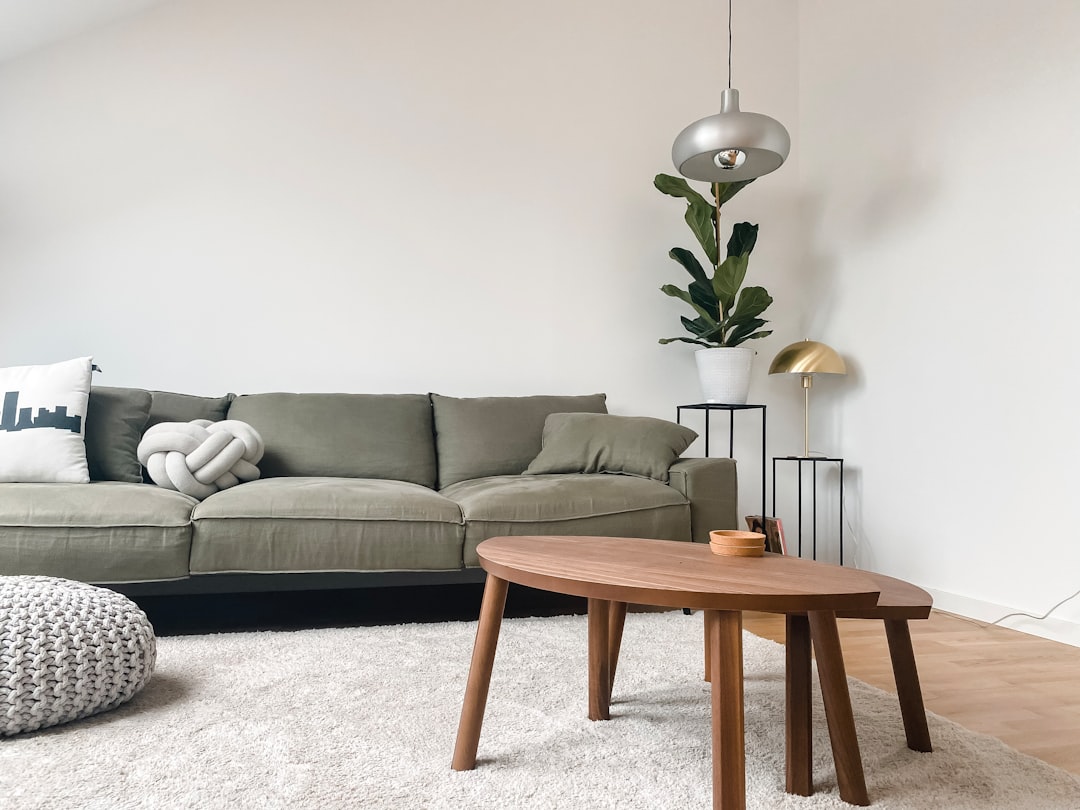
Singapore’s humidity warps untreated oak within a year — but Scandinavian coffee tables with kiln-dried oak and polyurethane coatings typically last 5–7 years before showing wear. Look for brands like Commune or Castlery that specify moisture-resistant treatments; their rubberwood alternatives handle humidity even better, though they lack oak’s grain variation.
Muted blue tables work in 12 sqm rooms if you treat them as the sole colour accent. Pair with off-white walls and a beige linen sofa, then add texture with a jute rug — the blue becomes a quiet focal point without shrinking the space. Local designers often layer in rattan trays or cream ceramics to soften the cool tone.
Treated Scandinavian wood lasts around a decade in Singapore’s climate, assuming quarterly conditioning with beeswax or teak oil. Cheaper veneer options from FortyTwo or IKEA start peeling at the 3-year mark; solid wood from Cellini or HipVan ages more gracefully, developing a patina that suits the hygge aesthetic.
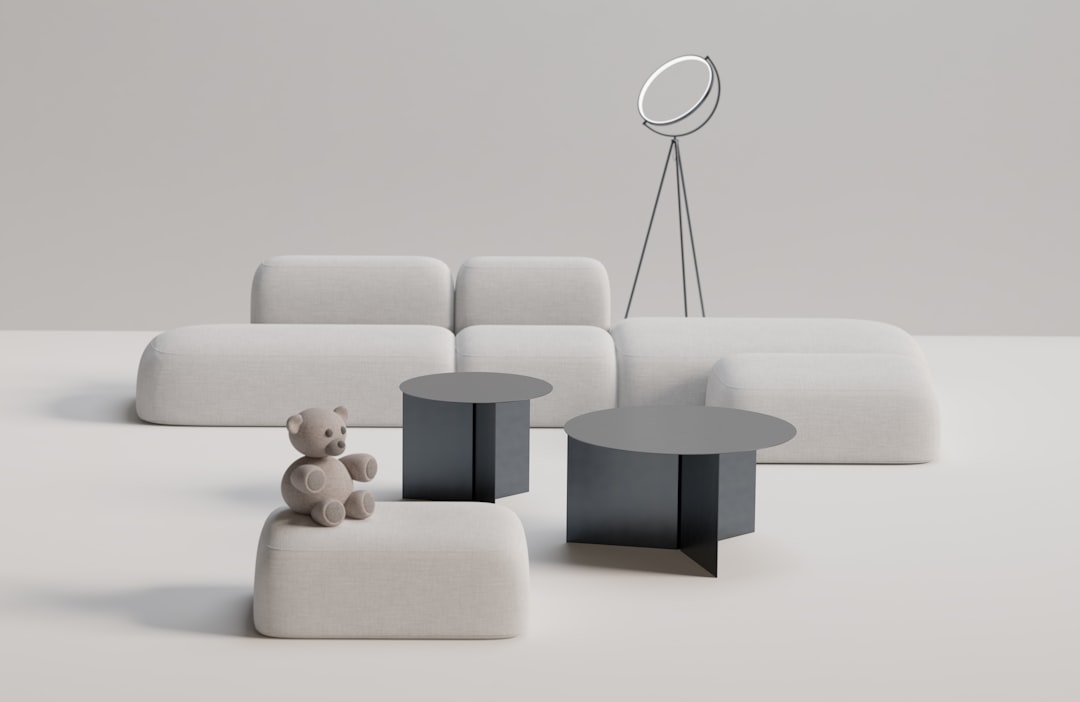
Compact designs under 100cm wide dominate at Eunos and Bedok showrooms — look for Normann Copenhagen’s flip-top models or Ethnicraft’s nested sets. The real space-savers have hidden storage; Danish brand Hay does a 75cm oak disc with a lift-up lid, though it’s harder to find here than their acrylic pieces.
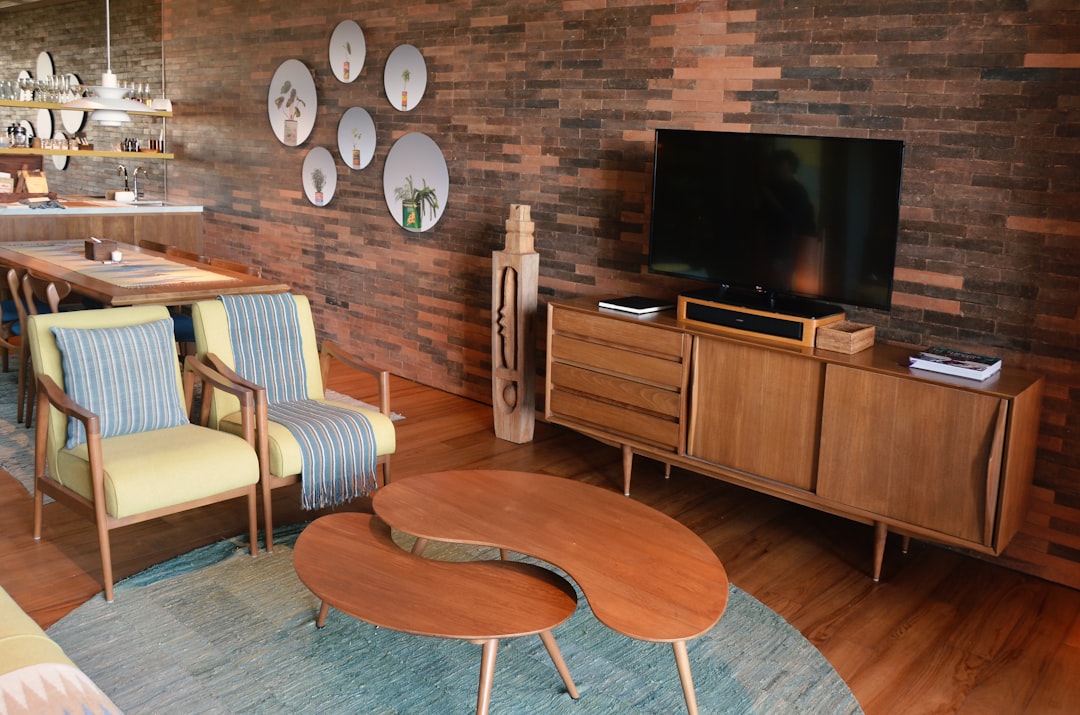
In a 16 sqm condo living room, the challenge isn’t just fitting furniture — it’s creating warmth without clutter. Start with a neutral oak coffee table; its light tones visually expand the space while grounding the room’s aesthetic. Pair it with a soft grey sofa — performance velvet or linen upholstery works best, resisting stains without sacrificing comfort.
Sage green accents are the secret weapon here. A single cushion or a potted plant can break the monotony of neutrals without overwhelming the eye. Layer textures to add depth: a wool throw draped over the sofa, a ceramic vase on the table, or a jute rug underfoot. These elements don’t just look good — they invite touch, which is central to hygge.
Lighting plays a subtle yet crucial role. Swap harsh overhead lights for a floor lamp with a warm-toned bulb or a cluster of tealights on the coffee table. In smaller spaces, lighting can make or break the atmosphere — too bright, and it feels clinical; too dim, and it’s claustrophobic.
Storage is often overlooked in hygge-inspired designs, but it’s essential. Opt for a coffee table with built-in drawers or shelves to keep clutter out of sight. A tidy space feels more serene, and that’s where hygge thrives — in the calm, unforced moments of everyday living.